Tiles play an important role in the appearance, comfort and functionality of a home or commercial space. From elegant living room floors to stylish kitchen backsplashes, bathroom walls and outdoor areas, the right tiles can transform an ordinary space into an attractive and practical environment. However, the quality of a tile installation depends on more than just the tiles themselves. The material used to fix them to the surface is equally important.
This is where tile adhesive becomes an essential part of modern construction. Choosing the right adhesive helps create a reliable bond between the tile and the underlying surface, reducing the risk of tile movement, debonding and premature installation problems.
With TilOx Tile Adhesive from KG Plasto Chem, homeowners, contractors, builders and tile installers can explore tile-fixing solutions suited to their project requirements. Understanding tile types, surface conditions, installation locations and product specifications is the first step towards achieving a neat and durable finish.
What Is Tile Adhesive and Why Is It Important?
Tile adhesive is a specially formulated material used to fix tiles to suitable floors and walls. Unlike traditional cement-and-sand mixtures, factory-produced tile adhesives are developed to provide more consistent application properties when prepared and used according to the manufacturer’s instructions.
The appropriate adhesive helps the tile remain securely bonded to its substrate while supporting the requirements of the intended installation.
Key benefits of using a suitable tile adhesive include:
- Reliable bonding: Helps secure tiles to properly prepared surfaces.
- Consistent application: Supports a controlled adhesive layer when applied with the correct tools.
- Improved installation quality: Helps reduce voids beneath tiles when the adhesive is spread and covered correctly.
- Versatile applications: Different formulations are available for ceramic, vitrified, porcelain and other tiles.
- Suitable for modern tile formats: Specialised products can accommodate larger tiles and more demanding installation conditions.
- Reduced rework risk: Correct product selection and installation can help minimise avoidable tile-fixing failures.
The final result depends on selecting a suitable product, preparing the substrate correctly and following recommended installation practices.
5 Important Factors to Consider When Choosing Tile Adhesive
Not every tile adhesive is suitable for every surface. Before purchasing an adhesive, consider the following factors.
1. Identify the Type of Tile
The material, density and water absorption of a tile influence the type of adhesive required.
Ceramic Tiles
Ceramic tiles are commonly used in kitchens, bathrooms and interior walls. Choose an adhesive specifically recommended for the tile and substrate, taking into account whether the application is on a wall or floor.
Vitrified Tiles
Vitrified tiles generally absorb less water than conventional ceramic tiles. They require an adhesive with suitable bonding performance for low-absorption surfaces. Always check the product’s technical specifications.
Porcelain and Large-Format Tiles
Larger and heavier tiles require careful attention to adhesive coverage, substrate flatness and application technique. Select a product specifically approved for the tile size, weight and installation location.
Natural Stone and Decorative Tiles
Marble, natural stone and decorative materials may need specialised adhesives. White adhesive can be appropriate for some light-coloured or translucent materials, but compatibility should always be verified before installation.
2. Consider Where the Tiles Will Be Installed
The installation location affects adhesive selection because different areas experience different levels of moisture, temperature variation, movement and loading.
| Installation Area | What to Consider |
|---|---|
| Living Rooms and Bedrooms | Tile type, substrate and expected foot traffic. |
| Kitchens | Tile compatibility and regular exposure to moisture and cleaning. |
| Bathrooms | Wet-area suitability and appropriate waterproofing. |
| Balconies and Terraces | Outdoor suitability, weather exposure and surface movement. |
| Exterior Walls | Adhesion strength, tile weight and exposure to temperature changes. |
| Commercial Spaces | Traffic levels, substrate strength and project specifications. |
For bathrooms, terraces and other moisture-exposed areas, remember that tile adhesive does not automatically replace a dedicated waterproofing system. Where required, waterproofing must be designed and installed separately.
3. Check the Surface Before Application
Even a high-quality adhesive may fail if the underlying surface is unsuitable. The substrate should be sufficiently cured, stable, clean and properly prepared according to the manufacturer’s recommendations.
Before beginning the installation:
- Remove dust, loose particles, grease and other contaminants.
- Repair weak or damaged areas.
- Check that the surface is reasonably level and suitable for the chosen tile.
- Confirm that the substrate has cured adequately.
- Address moisture problems and rising dampness before tiling.
- Use a compatible primer or preparation system if required.
Proper surface preparation creates the foundation for a more dependable tile installation.
4. Select the Appropriate Adhesive Grade
Tile adhesives are available in different performance classes for different applications. In India, IS 15477 provides a framework for classifying cement-based tile adhesives.
The correct grade should be selected according to the tile material, substrate, tile dimensions and exposure conditions. A general-purpose adhesive may be suitable for certain standard interior applications, whereas dense tiles, large formats, exterior installations and other demanding projects may require a higher-performance formulation.
Do not select an adhesive solely because it is inexpensive or marketed as suitable for every application. Read the product packaging and technical data sheet to confirm the recommended use.
5. Compare Coverage and Application Requirements
The amount of adhesive required depends on several factors, including tile dimensions, substrate flatness, trowel notch size, application thickness and installation technique.
Before purchasing, review the recommended mixing ratio, application thickness, open time, setting time and estimated coverage. These details help contractors plan material requirements and avoid unnecessary wastage.
Coverage figures are estimates rather than guarantees. Actual consumption may vary from one project to another.
TilOx Tile Adhesive by KG Plasto Chem: Choosing a Suitable Tile-Fixing Solution
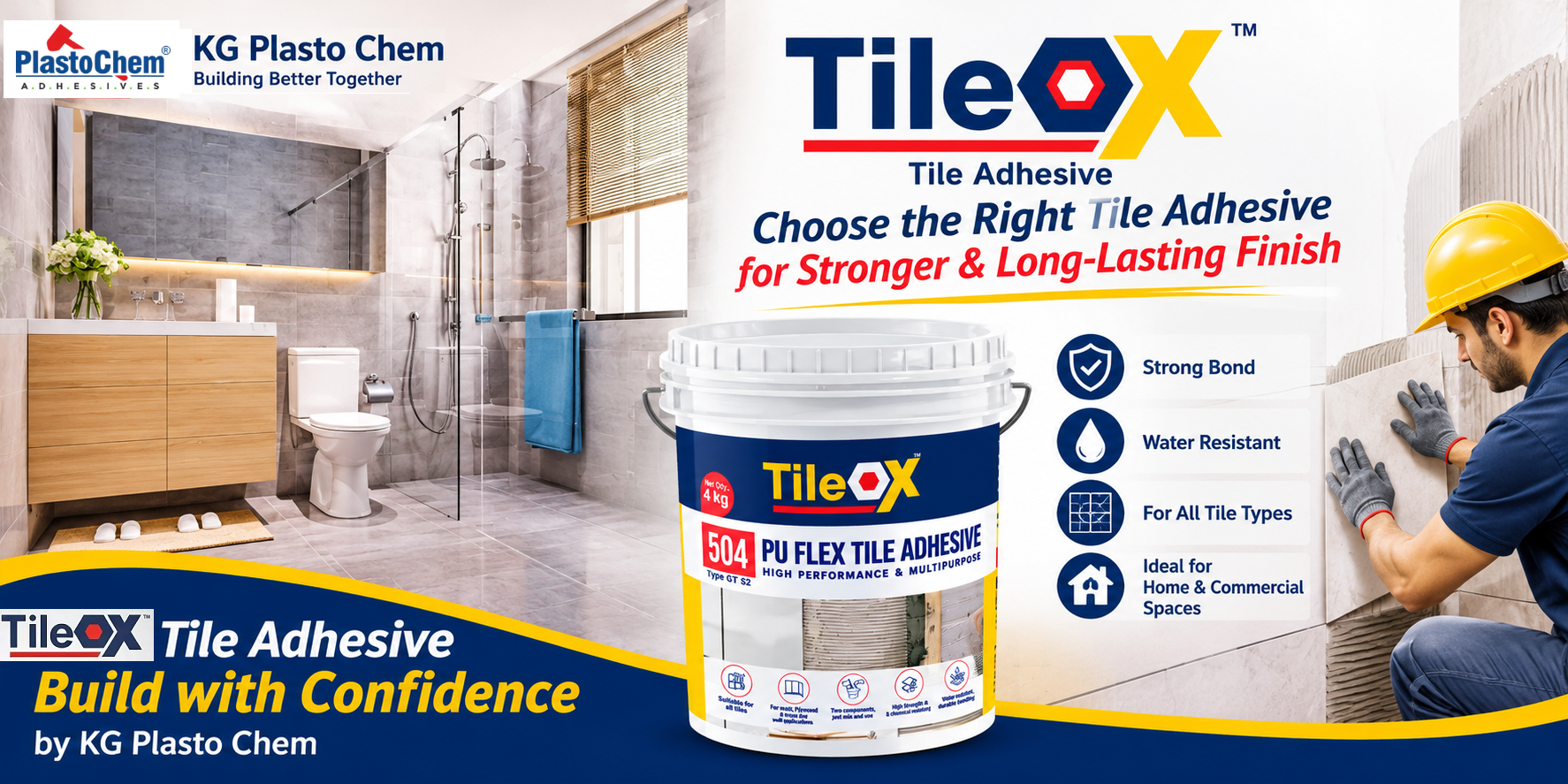
When planning a tile installation, choosing the right product is an important part of achieving a quality finish. TilOx Tile Adhesive by KG Plasto Chem can be positioned as a tile-fixing solution for customers seeking guidance on selecting an adhesive for their construction or renovation requirements.
Whether you are renovating a home, constructing a new property or managing a commercial project, your adhesive selection should be based on the exact application.
Before choosing a TilOx product, consult its product-specific technical information to confirm:
- Compatible tile materials and sizes.
- Recommended floor and wall applications.
- Suitable interior, exterior or wet-area use.
- Compatible substrates and surface preparation requirements.
- Mixing instructions and application thickness.
- Setting time, coverage and other performance specifications.
These checks help customers choose an appropriate solution rather than relying on general product claims.
Product note for publication: Add the verified TilOx product range, technical classifications, pack sizes and approved application claims here. Do not publish unverified performance claims.
How to Apply Tile Adhesive Correctly
Correct installation is as important as product selection. Follow the instructions supplied with the specific adhesive.
Step 1: Prepare the Surface
Clean the surface and remove dust, loose material and contaminants. Make sure the substrate meets the product’s curing, strength and flatness requirements.
Step 2: Mix According to Instructions
Add the adhesive and water in the specified proportions. Mix thoroughly using the recommended method and allow any instructed resting time before application.
Step 3: Spread the Adhesive Evenly
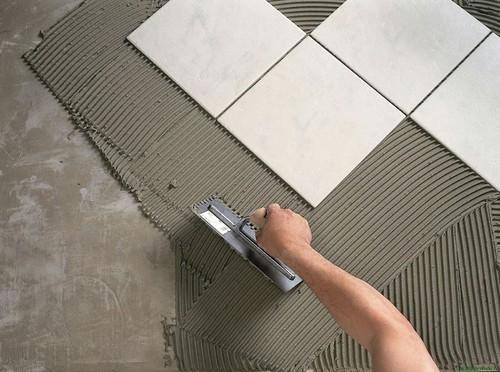
Use a suitable notched trowel to form consistent ridges. Work within the recommended open time and avoid spreading more material than can be tiled before it begins to skin over.
Step 4: Position and Press the Tiles
Place each tile carefully and press it into the adhesive to achieve adequate contact. Large-format tiles may require additional adhesive on the tile back, as specified by the manufacturer.
Step 5: Allow Proper Setting Time
Maintain the required joint spacing, remove excess adhesive where appropriate and allow the installation to set for the specified period before grouting or allowing traffic.
Common Tile Adhesive Mistakes to Avoid
Some installation problems can be prevented by following the recommended procedure.
- Using the wrong adhesive: A product suitable for standard ceramic tiles may not be appropriate for every vitrified tile, natural stone or exterior installation.
- Applying adhesive over a weak surface: Loose plaster, dusty concrete and poorly prepared substrates can compromise bonding.
- Adding excess water: Incorrect mixing can change the adhesive’s intended performance and consistency.
- Ignoring open time: Tiles installed after the adhesive has formed a surface skin may not achieve adequate contact.
- Leaving gaps beneath tiles: Insufficient adhesive coverage can contribute to hollow spots, cracking or debonding under load.
- Rushing the installation: Premature grouting or foot traffic can disturb tiles before the adhesive has developed sufficient strength.
- Ignoring waterproofing: Wet areas may require a separate waterproofing system to protect the underlying structure.
Avoiding these mistakes improves the likelihood of a durable, professionally finished surface.
Tile Adhesive vs Traditional Cement Mortar
Although cement mortar has been used in tile installation for many years, modern tile adhesives offer application properties suited to many contemporary tile systems.
| Feature | Tile Adhesive | Traditional Cement Mortar |
|---|---|---|
| Preparation | Factory-formulated product mixed as directed. | Usually mixed on site. |
| Application | Designed for controlled adhesive-bed application. | Commonly used in thicker mortar beds. |
| Tile Compatibility | Depends on the adhesive grade and product. | Depends on the tile, method and substrate. |
| Material Consistency | Controlled when correctly stored and mixed. | Can vary with site mixing. |
| Large-Format Tiles | Suitable when specifically approved. | Requires an appropriate installation method. |
| Best Choice | Select according to tile and project requirements. | May suit certain conventional methods and conditions. |
The best solution depends on the installation system and project requirements. Tile adhesive should not be assumed to correct an uneven substrate or replace the preparation work needed before tiling.
Frequently Asked Questions About TilOx Tile Adhesive
1. What is TilOx Tile Adhesive used for?
TilOx Tile Adhesive by KG Plasto Chem is a branded tile-fixing solution. The appropriate uses depend on the specifications of the particular TilOx product. Check its technical information before selecting it for a project.
2. Which tile adhesive is best for vitrified tiles?
Choose an adhesive specifically recommended for vitrified tiles and compatible with the substrate and installation conditions. Dense, low-absorption tiles often require a suitable higher-performance formulation.
3. Can tile adhesive be used in bathrooms?
Yes, some tile adhesives are designed for bathroom and other wet-area installations. Verify the product’s suitability and ensure that the necessary waterproofing and substrate preparation are also provided.
4. Can tile adhesive be used for both walls and floors?
Some products are suitable for both applications, while others have more specific uses. Always confirm the approved application, tile weight and installation conditions.
5. How much tile adhesive is required per square foot?
Consumption varies with the tile dimensions, substrate condition, trowel notch and recommended application thickness. Refer to the product’s coverage guidance and allow for site-specific variations.
6. How long does tile adhesive take to set?
Setting and curing times vary by formulation and environmental conditions. Follow the product instructions for grouting, foot traffic and full use rather than relying on a universal time.
7. Why do tiles become loose or sound hollow?
Possible causes include insufficient adhesive coverage, a contaminated or weak substrate, incorrect mixing, exceeding open time, substrate movement or moisture-related problems. The cause should be identified before carrying out repairs.
Conclusion: Build with Confidence with the Right Tile Adhesive
A successful tile installation starts with informed product selection and careful preparation. Understanding tile material, surface conditions, installation location and adhesive performance helps homeowners and construction professionals make better decisions.
With TilOx Tile Adhesive from KG Plasto Chem, customers can explore tile-fixing options suited to their project needs by checking the relevant product specifications and application guidance.
Whether you are planning a home renovation, a new residential building or a commercial space, remember that the right adhesive, correct installation technique and proper curing all contribute to a better tile finish.
Choose the right tile adhesive. Follow the right installation method. Build for lasting performance with TilOx.
Explore TilOx Tile Adhesive Solutions
Planning a tile installation? Contact KG Plasto Chem or visit the official TilOx website to learn more about available products, technical specifications and suitable applications.
Brand: TilOx
Manufacturer: KG Plasto Chem
TileOX 105 Tile Adhesive